Start with your model’s transport instructions
An electric vehicle that will not move needs a transport plan matched to the exact model. The procedure for one Tesla or EV is not automatically correct for another. Look for towing or transport instructions in the owner’s manual or manufacturer’s app when it is safe to do so. Tell the driver the year, make and model, not just that the vehicle is electric. Changes between models and versions can affect release points, menus and loading requirements.
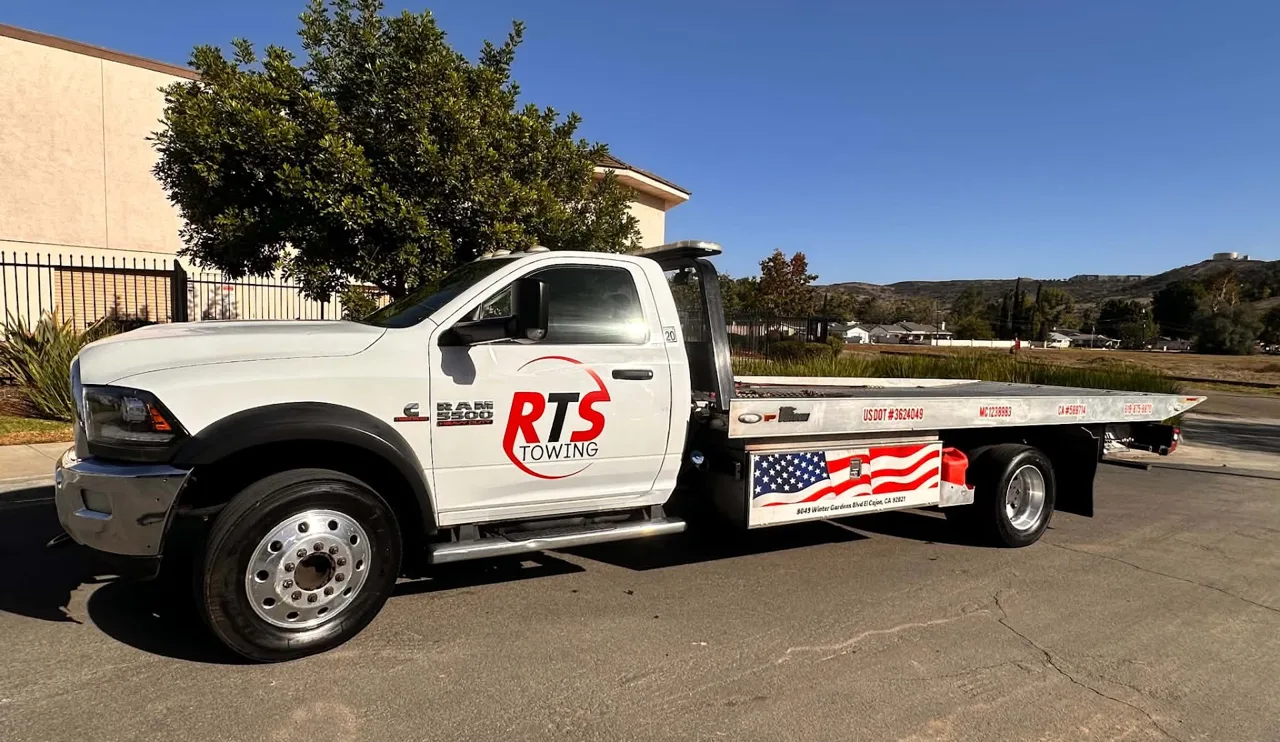
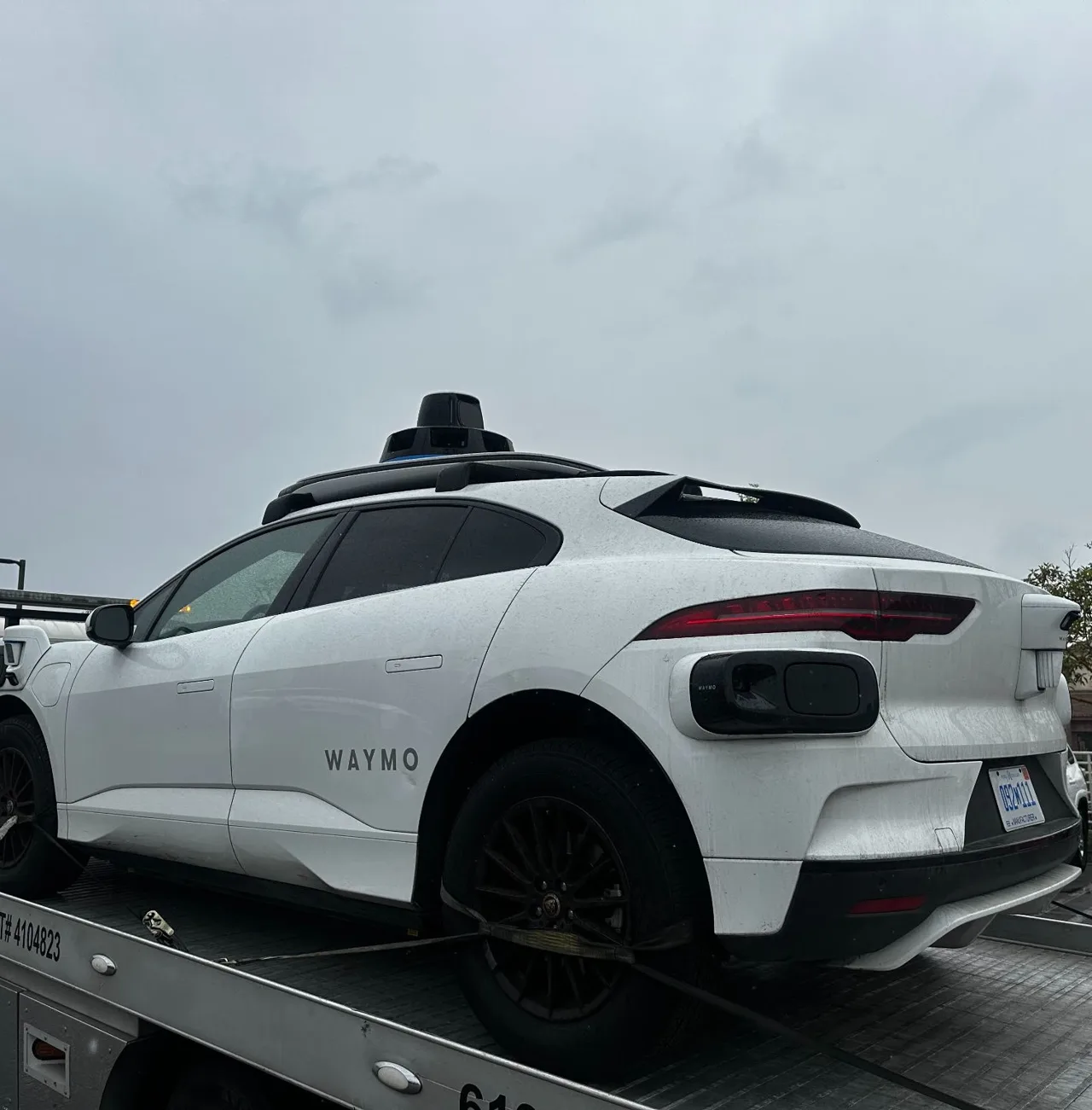
RTS Towing uses a flatbed with all wheels off the ground for EV transport. That describes the travel method, but the vehicle still has to be loaded correctly. A locked wheel, low clearance or a system that will not power on can change the preparation required. Avoid trying to roll, drag or tow the vehicle yourself while waiting. Share the condition honestly so the loading plan is based on what the car can actually do.
Understand what a transport mode does—and does not do
Some EVs have a tow, transport or similar mode that releases the parking brake or allows limited rolling for loading. Its name and operation depend on the manufacturer. It does not mean the vehicle can be pulled down the road with wheels turning, and it may have specific time, distance or power requirements. Read the instructions for your vehicle rather than choosing a menu option simply because its name sounds suitable.
If the manual describes steps that require a key, touchscreen response, brake pedal or low-voltage power, tell the driver whether those are available. Do not bypass a warning or guess at a hidden service menu. If you cannot confidently follow the transport procedure, leave the vehicle as it is and explain the issue when calling. A careful conversation can prevent repeated attempts to change settings that do not solve the actual loading problem.
For help with this situation, explore our light-duty towing service or towing in San Diego.
Separate a low-voltage problem from an empty driving battery
An EV has systems that depend on low-voltage power as well as the battery used for driving. If the car will not unlock or its displays do not respond, the transport controls may not be available. That does not automatically establish which battery is at fault. Tell the driver what the vehicle does when you approach it, press the brake or try the normal start procedure, without repeatedly experimenting with unfamiliar recovery steps.
Do not apply a conventional jump-start procedure to a high-voltage traction battery. Any permitted low-voltage assistance must follow the manufacturer’s instructions and the correct access points for the specific car. High-voltage components are not roadside troubleshooting targets for an owner. If there is damage, smoke, heat or an unusual battery-related hazard, move to safety and contact emergency services. A routine tow is not a substitute for dealing with an immediate electrical or fire danger.
Make the pickup space clear without risking another problem
Tell us whether the car is in a parking space, garage, driveway or along a road. A downtown San Diego garage may have a height limit that the flatbed cannot enter. At a Chula Vista lot, a blocked aisle or gate may affect access. Share the entrance, posted clearance and available loading space before dispatch. We assess access rather than assuming a tow truck can reach every spot where a passenger car fits.
If the vehicle is safely parked, keep the key or authorized phone nearby and available for the pickup. Do not push the car onto a slope to make it easier to reach. Do not crawl underneath to find a tow point without the proper guidance and a safe working environment. Tell the driver about suspension changes, damage or a low front bumper. Those details matter even when the issue is simply that the vehicle has run out of charge.
Choose a destination that can help your actual situation
An EV that is only out of charge may need an accessible, compatible charging location. A car with a mechanical, low-voltage or warning-system issue may be better taken to a service center or another location you have confirmed. Do not select the closest map pin without checking compatibility, access and whether the destination can receive the vehicle. A closed gate or unsuitable charger can turn a solved transport problem into another stranded vehicle.
Explain the destination and any special delivery instructions on the call. We discuss the price and an arrival estimate before heading out, with no membership needed. Our service area covers San Diego County from our El Cajon base. If manufacturer roadside support or an insurer is also arranging help, confirm who is handling the tow so duplicate requests do not create confusion. Let everyone know if police or parking staff have given instructions for moving the car.
Leave the driver with facts, not assumptions
A short checklist is useful: exact vehicle model, whether it powers on, key availability, wheel or parking-brake status, the pickup location and clearance, and your chosen destination. If you attempted a transport mode, say which step failed rather than reporting only that “tow mode is broken.” The manual’s specific instructions are more useful than an online procedure written for a different car. Keep your phone charged so you can answer access or destination questions.
Once the vehicle is transported, keep the itemized receipt and ask your insurer about reimbursement if applicable. RTS Towing accepts cash, major credit and debit cards, Apple Pay, Zelle and Venmo. An EV tow should begin with a model-specific loading plan and end with the vehicle at a destination that makes sense. If you are safely parked and need help now, call or text with those details rather than trying to make an unresponsive car roll yourself.